
Commercial Service
Pet Waste Stations and Dog Parks, Handled.
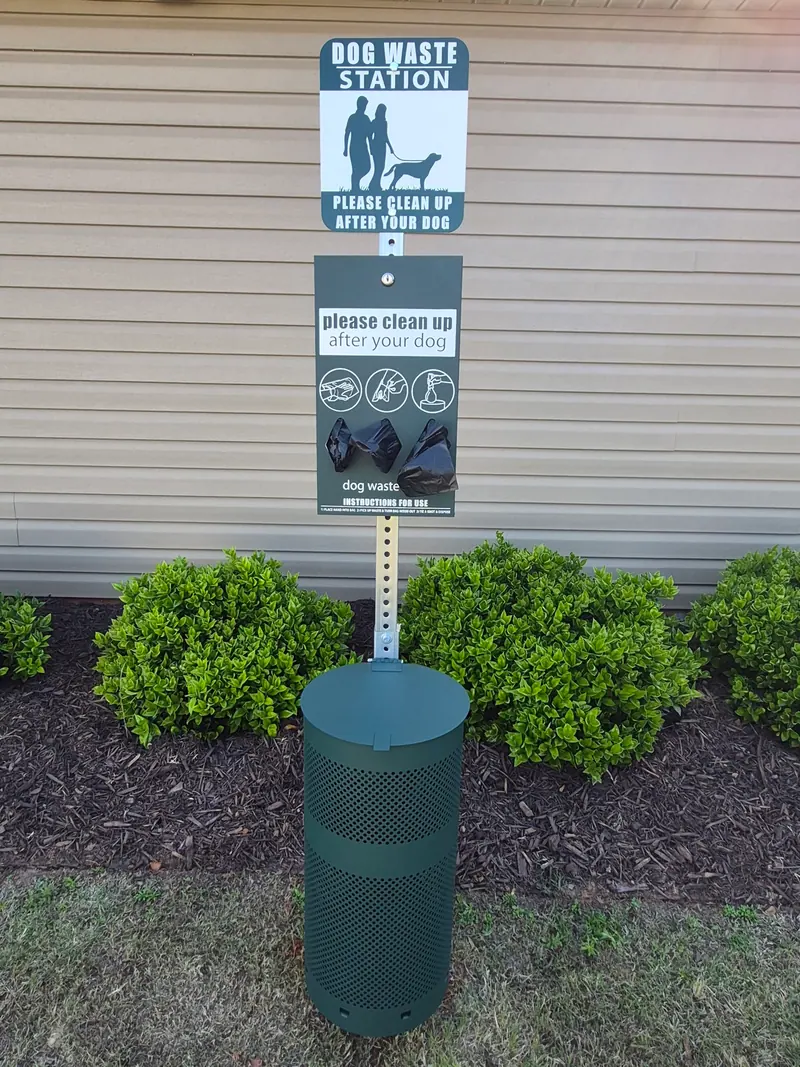
The Scoop Crew installs and maintains pet waste stations and scoops dog parks for apartment communities, HOAs, parks, municipalities and other managed properties, along with their common areas. Ask the crew to plan around your property and its use.
What's Included
What This Service Covers
What the crew handles at apartment communities, HOAs, dog parks and other managed properties.
- 01
Pet Waste Stations
The crew offers installation and maintenance, including replacing bags and waste liners and cleaning the area around a station.
- 02
Dog Park Scooping
Most commercial customers are a dog park, or a dog park with pet waste stations. The crew scoops the park on the schedule you agree.
- 03
Common Areas
Discuss scooping for common grass and other dog-use areas at your property.
- 04
A Property-Specific Plan
Describe the areas, stations and service frequency you need so the crew can discuss a suitable plan.
Tell the Crew About Your Property
For a property-specific plan, email info@thescoopcrew.com or call (864) 533-4256.
Reviews
What Customers Say About the Crew
Thanks for the love, neighbors!
Brooke Tremmel “The scoop crew is the best!! With two big dogs and kids in my yard everyday this was a total life saver 😊 not to mention the friendliest employees and the owner is unbelievable. Great communication and always so helpful and responsive. HIGHLY RECOMMEND!!”
Jenny Coleman “The scoop crew is absolutely amazing. They show up every week no matter what. It’s a dirty job and they do it so well. I highly recommend these amazing scoopers.”
keigan mccloud “They do a great job and always let you know when they are coming well in advance!”
wayne pearson “You're the only person I know who can take total crap and turn it into a job well dung."”
Sandy Pott “Have been using Brandon and his crew for several years now and they are awesome! We have 3 big dogs and never have to worry about the backyard!”
Charisse “5 stars across the board. Brandon takes an immense amount of pride in his business, and it truly shows. The service is always reliable and thorough. Any time I’ve had even the smallest concern, Brandon has gone above and beyond to handle it immediately. He is consistently responsive, dedicated, and always provides exceptional customer service. Highly recommend!”
Taylor Wilson “Brandon and The Scoop Crew were great to work with! They were friendly and professional! I’d happily recommend them to anyone looking for reliable pet waste removal.”
Brooke St George “Complete service every week on scheduled time and very professional. Friendly staff.”
Kimberly Thomason “Fantastic service every time!!”
wes bunce “Was driving by, Saw them cleaning neighbors dog poop out of yard, asked them if they could clean my yard. They came over 15 minutes later and left the back yard spotless. No turd left unturned. 10/10 experience.”
Ariel Walker “The Scoop Crew is great! They are professional and timely and their customer service when we moved was courteous and helpful in changing our location for poop scooping. We feel that their pricing is reasonable and worth the money!”
Ashley “These guys do an excellent job! Brandon is so nice for expanding their service to our area in Belton/Anderson. We could not recommend them any more! We are super thankful for their help.”
Jessica Bradley “Great thorough service.”
Jami Bostic “The Scoop Crew ALWAYS shows up and do a great job. We highly recommend them!”
Amanda Newman “Always on time. They do a great job. They make sure our gate is closed and locked back and send a picture for verification. Great communication.”
Drew Shahoud “These guys are awesome! Been with them for a couple years now, very helpful and consistent. I haven't had to follow up with them, and who knows how long. I got set up with them years ago, and they've been taking great care of me ever since.”
Judith Campbell “The Scoop is great ! Best decision I made having them here once a week!! I have a big yard and they keep it cleaned up!! I recommend these guys !”
Jeanne Waal “On time and tech is very thorough.”
Julie “The Scoop Crew has done an excellent job of cleaning up my yard and helping me keep it clean. I really appreciate the kind and courteous owner and employees. They arrive on time, make sure my gates are closed when finished, and everything is left in order. Thank you!”
jldante56 “What a great service and at a great price! So glad I found them!”
Smedes Scovil “The Scoop Crew rescued my parents’ yard after a Christmas with 4 dogs! Efficient, communicative, and kind. Will definitely be using them again!”
Betsy Castillo “Superb! I have two dogs and I just don’t have the time, energy and patience to clean my yard. This service is exactly what I needed. No more tiptoeing around the yard.”
Robin McDonald “I love this company and the employees. They are so amazing. I highly recommend them!”
Karri Lee “They do amazing work, always there the day they say they’re going to be there, they also update me with photos of my fence being closed after cleanup is complete! They let you know when they will be arriving as well just in case you have your doggos out in the yard they give you a 15min notice before arrival which is perfect for being able to bring them in prior to clean up ! Brandon and the crew are amazing ! Also should note the price for the month of cleanup for all three of my dogs is a price that couldn’t be beat !”
Samuel “Steven” Floyd “They do a great job ! So far they are at my house on the day I need them to come! I would recommend them to anyone.”
Steven Marston “Guys to always do a great job very detailed. I feel as though ordering the service was a great idea. Thank you guys.”
Brandon Napolitano “The Scoop Crew has been helping me out for years now. Awesome people. Great service. And quick to respond!”
Javier Aquino “They are punctual, communicative and do a great job of cleaning the yard.”
Emily Taylor “Brandon made getting signed up a breeze, and well as answered any questions I had before I could even think of them. When he arranged for the bucket to be dropped off he even offered to pick up anything that I already had at no charge. Very happy with my service and am so thankful I came across the company!”
Lisa Moseley “Very pleased with their service. Always professional and informative!!”
Jason Snedecor “Great experience!!! So nice and professional they do an amazing job.”
Craig Drouin “Great service and super efficient!”
Melisa Gafner “Brandon does an amazing job!! Thank you!!”
Samira Páez “Highly recommend Brandon and his scoop crew. They do a great, thorough job every time. The online client portal is easy to use and customize the scheduled clean up based on your needs. The team is very communicative, easy to contact. This service is a life saver in a busy time of life!”
Taylor Ellenburg “Great job excellent service”
JOE ROBERSON “Great job”
Planning for a Property
What to Work Out Before You Call
Map the Dog Traffic
Most commercial plans center on a dog park, its pet waste stations, or both. List those first, then the other places where residents and visitors walk dogs: a strip by the entrance, the edges of parking areas, walking paths or open lawn. A plan focuses on those areas, so naming them up front makes the first conversation faster.
Describe How the Space Is Used
Note the busiest dog-walking times and whether the space is used only by residents or by the public as well. A park that fills up on weekends follows a different pattern from a complex where residents walk dogs before and after work.
For a business with a dog-friendly patio or lot, note when customers bring dogs most often.
Count the Stations
Note how many pet waste stations you have, where they stand, and whether they need bags, liners or a cleanup around the base. If you have none yet, ask about installation, and think about where people already walk their dogs so the stations land in the right places.
Choosing Station Locations
The best spots are where walks start and end: entrances, the gate of a dog run, the start of a walking path, the doors residents use most. A station people pass on every walk gets used. One tucked in a far corner gets ignored.
Decide on a Rhythm
A busy dog run usually needs attention more often than a quiet corner lot. Look at how fast waste and full liners build up at your busiest spots, and use that to plan how often the crew should visit.
Know Who Approves the Work
HOA boards and management companies often have their own approval steps. Before you ask for a plan, know who signs off, who the crew should contact on site, and any rules about access times, gates or vehicles.
If the property has pet rules, such as leash areas or places dogs should stay out of, share them too, so the plan respects the same boundaries.
Common Areas
Making a Common-Area Plan Work
Know Which Ground Is Yours
In an HOA, the association usually looks after common areas while each owner looks after their own yard. In an apartment community, management may be responsible for all the outdoor space. Check which areas your property is responsible for, so the plan covers the right ground.
Stations Only Help When They Are Stocked
An empty bag dispenser gives people a reason to walk past. Regular refills and liner changes are what keep a station in use, so include them when you describe what you need.
Residents Still Pick up on Walks
Scheduled scooping covers what gets missed between visits. It works alongside residents picking up after their own dogs, not in place of it. When a new station goes in or a schedule starts, a short note in a newsletter or next to a station tells residents what is changing.
Private Yards Inside a Community
If a resident wants their own fenced yard scooped, that is Residential Service. They can request their own quote, separate from the common-area plan.
Getting Started
Questions to Bring to the Crew
Questions Worth Asking
Bring these to your first call or email, and add anything specific to your site:
- Which areas would the plan cover, and how often?
- What does station maintenance include at our property?
- Can you install new stations, and where would they work best?
- What do you need from us for access?
- Who on our side should you contact about scheduling?
- Can you share a written summary of the plan?
Keep a Simple Record
Once you agree on a plan, write down which areas and stations it covers and how often. A short record makes board meetings, budget reviews and handovers between managers easier.
Budgeting
Commercial plans are worked out with the crew for each property, and prices are not listed on this site. Ask for the plan in writing, so you can take it to your board or budget review.
Review It as the Property Changes
Dog traffic shifts with occupancy and with the seasons. Keep a note of where complaints about waste come from, and revisit the plan if a new building opens, a dog area is added or residents keep reporting the same problem spot.
Upstate South Carolina
Check Your Service Options.
See your price, then sign up in our customer portal. Have a question first? Call or email the crew.